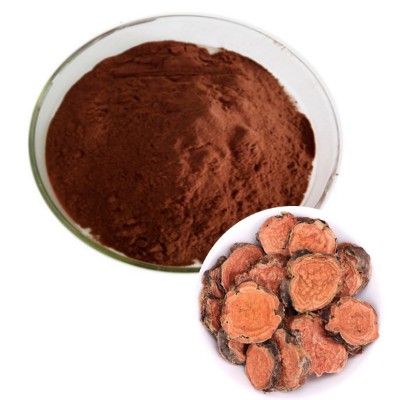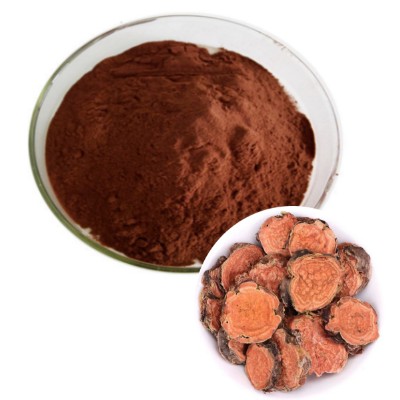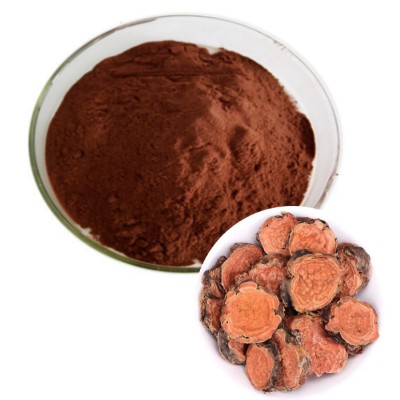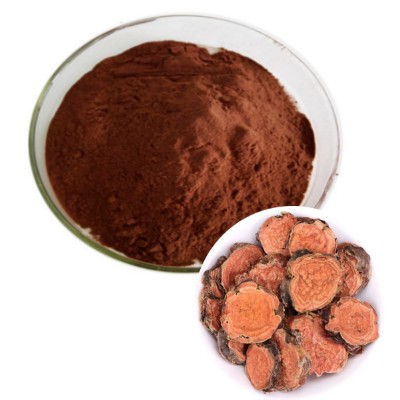

Mushroom Protein Blend
As a high-quality plant protein source, mushroom protein blend has attracted increasing attention and application in recent years, driven by the growing focus on healthy eating. It is derived from a variety of nutritious edible mushrooms, which are rich in protein, polysaccharides, dietary fiber, and various bioactive ingredients, offering significant nutritional and health values. This article systematically organizes the relevant information of mushroom protein blend, including its basic components, nutritional properties, production process, key technologies, health benefits, applicable groups, and related references.
Basics of Mushroom Protein Blend
The main ingredients of mushroom protein blend come from a variety of mushrooms, each selected for their unique nutritional content and health benefits. Common mushroom species involved in the blend and their core effects are as follows:
-
Reishi: Has immune-boosting and anti-fatigue effects.
-
Cordyceps: Is believed to improve endurance and boost physical strength.
-
Shiitake: Contains rich nutritional content and has immune-boosting and antioxidant effects.
-
Maitake: Helps supports healthy glucose metabolism immunity.
-
Lion’s Mane: Benefits the nervous system and helps improve cognitive function.
-
Turkey Tail: Known for its immunomodulatory properties.
Nutritional Properties
Mushroom protein blend is characterized by high protein content, a rich amino acid profile, and abundant functional nutrients. Studies have shown that different mushroom species and growth substrates have a significant impact on the nutritional content of the final blend.
Protein Content
The protein content of mushrooms varies with the growth substrate, with the following differences observed:
-
Waste tea and sawdust substrate: The highest protein content, reaching 26.60%.
-
Cottonseed hull substrate: The protein content is second, reaching 22.10%.
Polysaccharide Content
Polysaccharides are important nutrients in mushrooms, with immunomodulatory and antioxidant effects. Research indicates that mushrooms cultured in waste tea and sawdust substrates have a higher polysaccharide content compared to those grown in other substrates.
Biologically Active Ingredients
In addition to protein and polysaccharides, mushroom protein blend also contains a variety of bioactive ingredients, such as polyphenols and flavonoids, which exert antioxidant, anti-inflammatory, and effects.
Manufacturing Process of Mushroom Protein Blend
The production of mushroom protein blend involves multiple steps, from raw material selection to final packaging, ensuring product quality, safety, and nutritional retention. The specific process is as follows:
Raw Material Selection and Pretreatment
-
Raw material selection: Fresh, pollution-free edible mushrooms are selected as raw materials, including shiitake mushrooms, oyster mushrooms, king oyster mushrooms, enoki mushrooms, etc. These mushrooms are not only high in protein but also rich in polysaccharides, vitamins, and minerals.
-
Cleaning and sorting: The picked mushrooms are thoroughly cleaned to remove dirt, impurities, and microbial contamination. They are then sorted to remove damaged or deteriorated mushrooms, ensuring the quality of the raw materials.
Crushing and Extraction
-
Crushing: The cleaned mushrooms are beaten into pulp using mechanical crushing equipment to destroy the cell wall and release intracellular nutrients such as protein.
-
Extraction: Three common extraction methods are used:
-
Water extraction: Water is used as a solvent to extract water-soluble proteins and polysaccharides from mushrooms through heating or ultrasound.
-
Enzymatic hydrolysis: Specific proteases (such as papain or alkaline protease) are used to hydrolyze mushroom pulp, decomposing macromolecular proteins into small-molecular peptides and amino acids to improve protein extraction rate and bioavailability.
-
Acid-base extraction method: The pH value is adjusted to dissolve proteins under specific acid-base conditions, and then the protein solution is separated by centrifugation or filtration.
Separation and Purification
-
Centrifugation: The extracted mixture is centrifuged to separate solid residues from the liquid part containing protein.
-
Filtration: Microfiltration or ultrafiltration technology is used to further remove impurities, obtaining a high-purity protein solution.
-
Precipitation and drying: Proteins are precipitated from the solution by isoelectric precipitation or salting out; the precipitated protein is washed to remove residual solvents or salts; finally, the protein solution is converted into powder by spray drying or freeze-drying technology to obtain mushroom protein powder.
Formula Design and Mixing
-
Formula design: According to the nutritional requirements and functional characteristics of the target product, mushroom protein powder is mixed with other functional ingredients (such as dietary fiber, vitamins, minerals, etc.) in a certain proportion to form the mushroom protein blend.
-
Homogenization: The mixture is uniformly mixed using a homogenizing device to ensure consistent ingredients in each batch of products.
Sterilization and Packaging
-
Sterilization: High-temperature short-time sterilization (HTST) or ultraviolet sterilization technology is used to kill microorganisms in the product, ensuring food safety.
-
Packaging: The sterilized mushroom protein blend is put into sterile packaging materials, and vacuum or nitrogen packaging is adopted to extend the shelf life and prevent oxidation.
Quality Inspection and Delivery
-
Quality inspection: Strict quality inspection is conducted on finished products, including protein content, microbial indicators, heavy metal residues, pesticide residues, etc., to ensure the products meet food safety standards.
-
Delivery: Products that pass the inspection are labeled with ingredients, nutritional information, and shelf life, and finally shipped for sale.
Key Technologies in Manufacturing
To ensure the quality and nutritional value of mushroom protein blend, several key technologies are adopted in the manufacturing process:
-
High-efficiency extraction technology: Enzymatic hydrolysis or ultrasound-assisted extraction technology is used to improve the extraction rate and activity of protein.
-
Low-temperature drying technology: Freeze-drying technology is used to retain the natural structure and biological activity of protein.
-
Aseptic packaging technology: Ensures the product is not contaminated during storage and transportation and maintains freshness.
Health Benefits
-
High protein and low fat: Mushroom protein is a high-quality plant protein, rich in essential amino acids and low in fat, making it suitable for people who need to control fat intake.
-
Enhance immunity: Polysaccharides in mushrooms (such as β-glucan) can enhance immunity and improve the body’s disease resistance.
-
Antioxidant: Antioxidants in mushrooms (such as ergothioneine) can remove free radicals in the body, delay aging, and prevent chronic diseases.
-
supports healthy glucose metabolism: Studies have shown that certain components in mushroom protein have the effect of regulating blood sugar, making it suitable for individuals seeking glucose support.
Suitable and Unsuitable Groups for Consumption
Suitable Groups
-
Vegetarians and vegans: Mushroom protein is a high-quality plant protein rich in essential amino acids needed by the human body, serving as an important protein source to make up for the lack of animal protein.
-
Fitness and sports enthusiasts: With high protein and low fat characteristics, it helps muscle repair and growth without increasing extra fat intake, suitable as a protein supplement for fitness people.
-
People with low immunity: Polysaccharides in mushrooms (such as β-glucan) can enhance immunity, suitable for people with low immunity or those prone to colds.
-
individuals seeking glucose support: Some components can supports healthy glucose metabolism, helping to support steady glucose metabolism, suitable as a dietary supplement for individuals seeking glucose support.
-
People who need to control weight: Low in calories and fat, and rich in dietary fiber, it can increase satiety, suitable for people who need to control weight or lose weight.
-
Middle-aged and elderly people: Antioxidants (such as ergothioneine) can delay aging and prevent chronic diseases; meanwhile, its high protein property helps maintain muscle mass, suitable for middle-aged and elderly people.
Unsuitable or Cautious Groups
-
People allergic to mushrooms: Mushroom protein is extracted from mushrooms; people allergic to mushrooms may experience allergic reactions such as skin itching and difficulty breathing after consumption, so they should avoid it.
-
Patients with gout or hyperuricemia: Mushrooms contain a certain amount of purine; although the purine content of the mushroom protein blend is low after extraction and purification, such patients still need to be cautious to avoid inducing or aggravating the condition.
-
People with weak digestive function: High in dietary fiber, people with weak digestive function (such as those with gastrointestinal diseases) may experience discomfort such as bloating and indigestion; it is recommended to eat in small amounts or consult a doctor.
-
Patients with kidney disease: Mushroom protein is a high-protein food; patients with kidney disease need to strictly control protein intake, and excessive consumption may increase the burden on the kidneys, so it should be eaten under the guidance of a doctor.
-
Infants and young children: Their digestive and immune systems are not fully developed; the mushroom protein blend may not be suitable for their digestive capacity, so it is recommended to use breast milk or formula milk as the main protein source.
References
Hatungimana Mediatrice, Nsanzinshuti Aimable, Irambona Claude, et al. The Influence of the Divergent Substrate on Physicochemical and Biocomponent Properties and Biological Efficiency of Agrocybe cylindracea. Nat. Resour. 2025, 11, 132.
These statements have not been evaluated by the FDA. This product is not intended to diagnose, treat, cure, or prevent any disease.